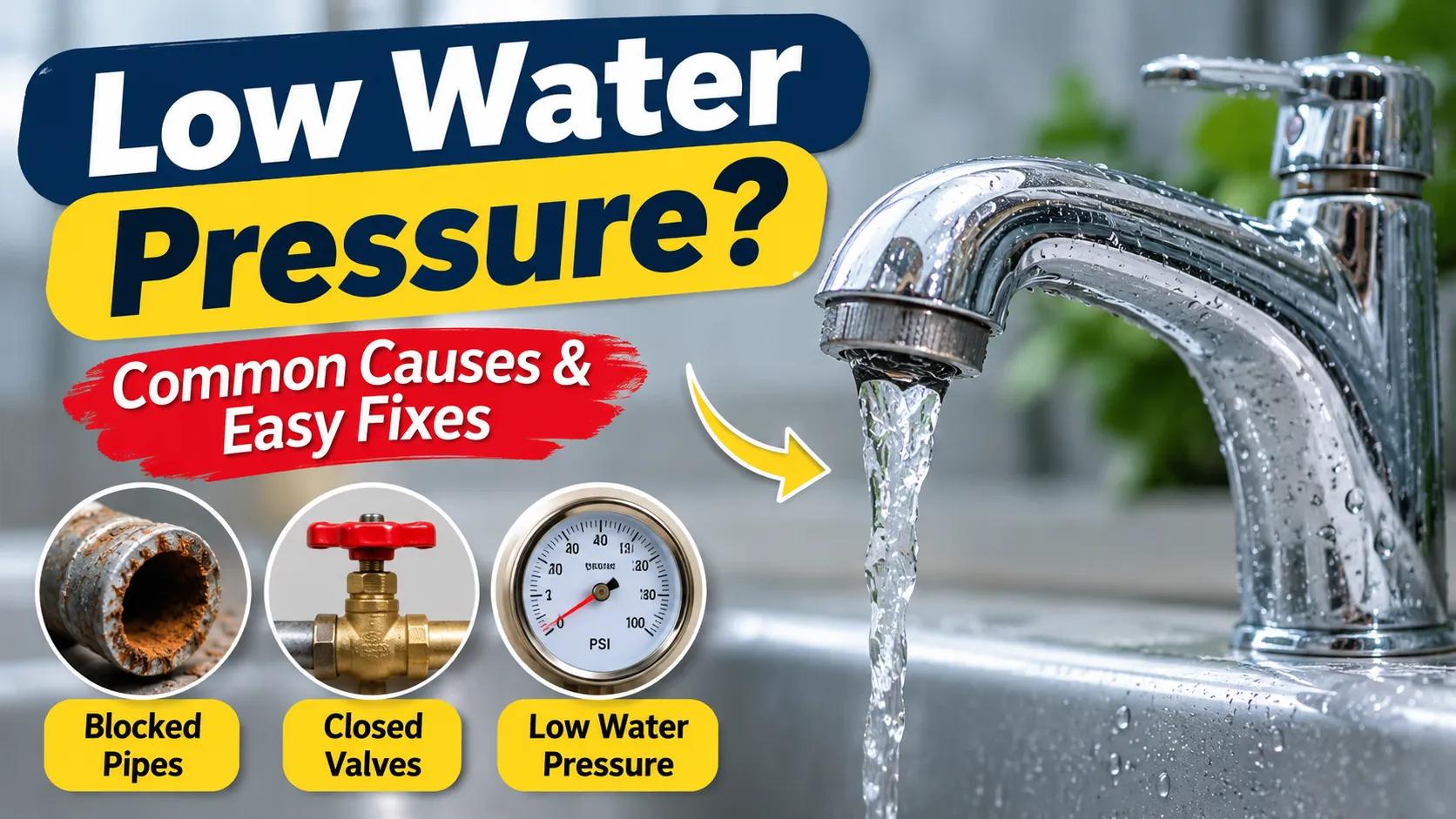
Low water pressure can make everyday household tasks frustrating. From taking showers to washing dishes, everything takes longer. You may notice water coming slowly from taps, weak shower streams, or problems filling washing machines. These issues can happen because of blocked pipes, leaking plumbing, faulty valves, or problems with the main water supply. Sometimes, the cause is simple and easy to fix. However, other situations require professional attention. Understanding the reasons behind low water pressure helps you find the right solution. This guide explains common causes, practical fixes, and useful prevention tips for homeowners.
What Is Low Water Pressure?
Low water pressure means water flows from your plumbing fixtures with less force than expected. You might notice weak streams from kitchen faucets, bathroom taps, or showerheads. Normal household water pressure is commonly measured in pounds per square inch (PSI). Many homes operate comfortably around 40 to 60 PSI, although suitable levels depend on the plumbing system. When pressure drops below the recommended range, everyday activities become difficult. However, weak water flow does not always mean low pressure. A blocked faucet or narrow pipe can also reduce the amount of water reaching your fixtures.
Understanding the difference between water pressure and water flow helps identify plumbing problems. Pressure describes the force pushing water through pipes. Flow describes how much water comes out within a specific time. For example, a showerhead with mineral deposits may produce weak water flow despite normal household pressure. Similarly, several running taps can temporarily reduce available flow. If multiple fixtures experience problems simultaneously, the main supply or plumbing system may need inspection. Therefore, checking different faucets helps identify whether the issue affects one fixture or the entire property.
Common Causes of Low Water Pressure
Several plumbing problems can cause low water pressure in residential and commercial buildings. One common reason is a partially closed main water valve. This valve controls water entering your property. If someone accidentally turns it, less water reaches household fixtures. Another possible cause is a faulty pressure regulator. This device controls incoming water pressure and helps maintain safe levels. When it stops working correctly, pressure may become unusually weak. Older plumbing systems can also experience problems because of corrosion, damaged connections, and restricted pipes.
External water supply problems can also affect household plumbing. Municipal maintenance, water supply interruptions, and damaged distribution pipes sometimes reduce pressure across entire neighborhoods. If nearby properties experience similar problems, the issue may come from the public supply. However, if only your home has problems, internal plumbing deserves attention. Check whether the problem affects every faucet, including outdoor taps. This simple observation provides useful information before arranging professional repairs. A qualified plumber can inspect the system and determine whether the problem comes from your property or the external supply.
How to Identify Low Water Pressure Problems
Identifying the source of low water pressure starts with checking different plumbing fixtures. Turn on your kitchen faucet, bathroom tap, and shower separately. Notice whether water comes out slowly from every location. If only one fixture has weak flow, the problem may involve its aerator, showerhead, or connecting pipe. However, if several fixtures experience the same issue, the main plumbing system could be responsible. Checking both hot and cold water also provides helpful information. These simple observations help narrow down possible causes before you spend money on unnecessary repairs.
You can also use a water pressure gauge to measure household pressure. Most gauges connect to a suitable outdoor faucet or hose connection. Follow the manufacturer’s instructions and check the reading when water is not running elsewhere. A reading below approximately 40 PSI may indicate a pressure problem, depending on your plumbing requirements. However, pressure can change during the day because of demand and supply conditions. Record unusual readings and compare them with normal household performance. If measurements remain low, contact a licensed plumbing professional for further inspection and accurate diagnosis.
How to Fix Low Water Pressure at Home
Some water pressure problems have simple solutions that homeowners can handle safely. First, check whether the main water valve is completely open. Also, inspect accessible fixture valves beneath kitchen sinks and bathroom basins. Sometimes, these valves become partially closed during cleaning or maintenance. Cleaning faucet aerators can also improve weak water flow. Mineral deposits and small particles often collect inside these components. Remove the aerator carefully, clean it with water, and reinstall it correctly. These basic checks may restore normal flow without requiring expensive plumbing repairs.
Another useful step involves cleaning showerheads affected by mineral buildup. Hard water can leave calcium deposits inside small openings, restricting water movement. Remove the showerhead according to its instructions and clean it using a suitable descaling method. However, avoid forcing damaged fittings or using harsh chemicals. If the problem continues after cleaning, internal pipe restrictions or pressure regulator issues may exist. Never attempt complicated plumbing repairs without proper knowledge. A professional plumber can identify hidden problems and recommend suitable solutions while protecting your existing plumbing system.
When Should You Call a Professional Plumber?
Some plumbing problems require professional inspection rather than simple household maintenance. If several taps suddenly lose pressure, a hidden leak or supply problem could be responsible. Water stains, damp walls, unusual pipe noises, and unexplained increases in water bills also deserve attention. These signs may indicate damaged plumbing connections or leaking pipes. Ignoring such problems can lead to water damage and higher repair costs. Therefore, contact a qualified plumber when pressure drops suddenly or remains unusually weak despite basic troubleshooting. Early inspection helps identify the cause before the problem becomes more serious.
Professional assistance is especially important when dealing with pressure regulators, underground pipes, and major plumbing connections. A plumber can test the water supply, inspect pipe conditions, and measure pressure accurately. They can also determine whether your property needs pipe cleaning, repairs, or regulator replacement. If the municipal supply is responsible, they may recommend contacting the relevant water provider. Before approving any work, ask about the problem, recommended solution, and estimated cost. Choosing an experienced professional helps ensure repairs are suitable for your property’s plumbing system and long-term water requirements.
How to Prevent Low Water Pressure
Regular plumbing maintenance helps reduce the chances of unexpected water pressure problems. Start by checking faucets, showerheads, and visible pipes for mineral buildup or leaks. Clean aerators when water flow becomes weaker than normal. Also, make sure accessible water valves remain fully open. If your property receives hard water, mineral deposits may develop more quickly inside plumbing fixtures. Periodic cleaning can help prevent these deposits from restricting water movement. These simple habits support better plumbing performance and help homeowners notice small problems before they require major repairs.
You should also arrange professional plumbing inspections when your property has older pipes or recurring pressure problems. A plumber can examine connections, pressure regulators, and exposed pipework for early signs of damage. Avoid ignoring unusual sounds, damp patches, or sudden changes in water flow. These symptoms may indicate developing plumbing issues. Additionally, understand your property’s main shut-off valve location. Knowing how to access it can help during emergencies. Following a regular maintenance routine protects your plumbing system, reduces unnecessary water waste, and supports a more reliable household water supply.
Low Water Pressure in Different Areas of Your Home
Low water pressure does not always affect every area of a property equally. For example, weak flow in the kitchen may result from a blocked faucet aerator or damaged supply hose. Bathroom problems can involve showerhead deposits, faulty mixer taps, or restricted connections. If only one bathroom experiences weak water flow, the issue may exist within that area’s plumbing branch. However, problems affecting multiple rooms could indicate a larger supply restriction. Understanding where the problem occurs helps narrow down possible causes and makes plumbing inspections more effective.
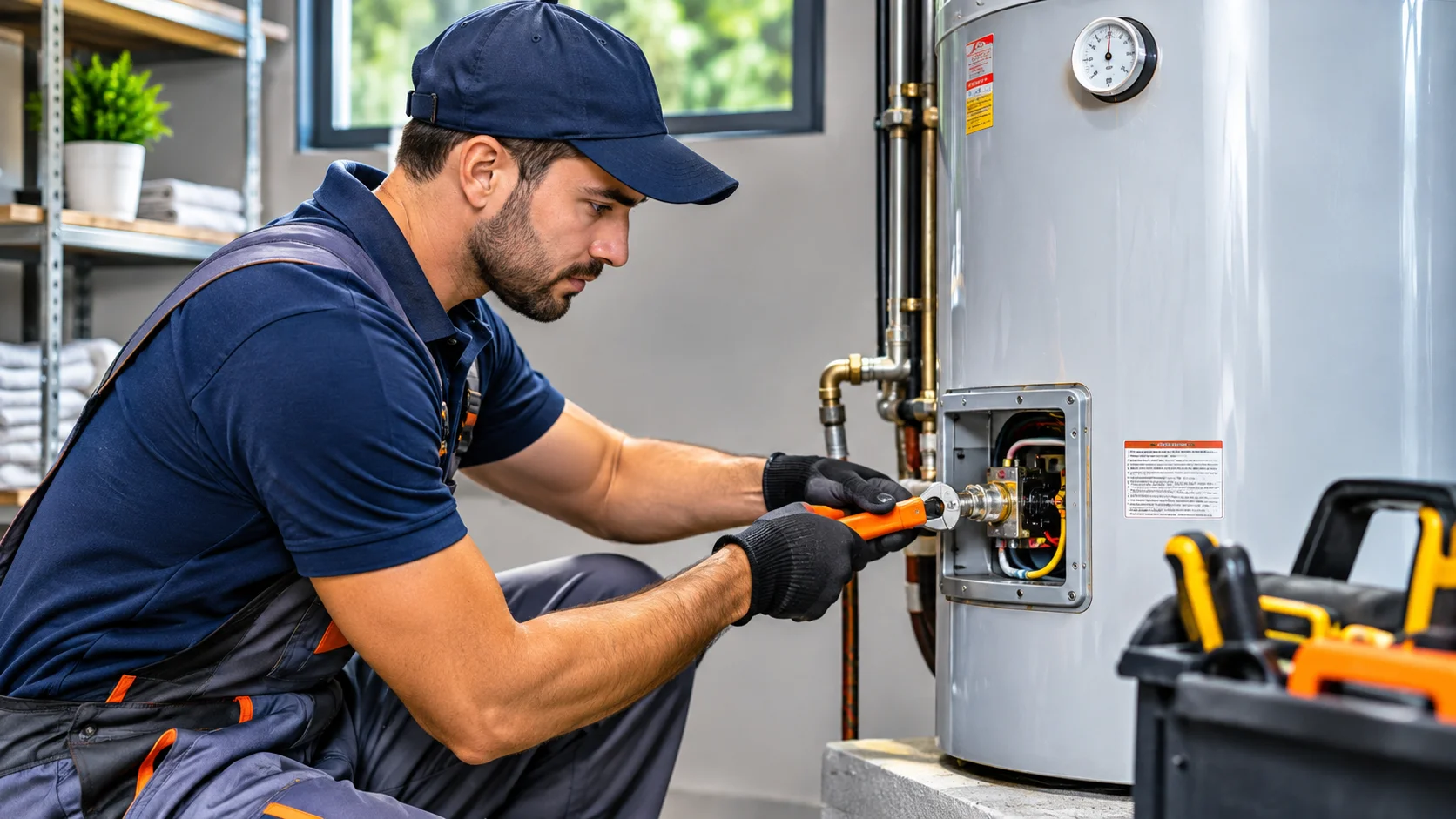
Hot water problems sometimes have a different cause from general water pressure issues. If cold water flows normally but hot water remains weak, inspect the hot water system. A restricted water heater connection, sediment buildup, or faulty valve may affect hot water delivery. However, never open or repair a water heater without appropriate training. If both hot and cold water have weak flow, the issue may involve shared plumbing connections or the main supply. A professional plumber can inspect the system and recommend repairs based on the actual cause.
Frequently Asked Questions About Low Water Pressure
1. What is the main cause of low water pressure?
Common causes include blocked pipes, partially closed valves, leaking connections, faulty pressure regulators, and municipal supply problems.
2. How can I increase water pressure in my house?
Check your main water valve, clean faucet aerators, and remove mineral deposits from showerheads. Contact a plumber if problems continue.
3. Can a leaking pipe cause low water pressure?
Yes, damaged or leaking pipes can reduce available water pressure and may cause moisture damage inside your property.
4. Why is my shower pressure suddenly low?
A clogged showerhead, partially closed valve, leaking pipe, or water supply issue may cause sudden pressure changes.
5. When should I call a plumber for low water pressure?
Contact a plumber when pressure remains weak, multiple fixtures are affected, or you notice leaks, dampness, or unusual pipe noises.
Conclusion
Low water pressure can affect comfort, convenience, and everyday household activities. Fortunately, many problems have simple causes, including blocked aerators, closed valves, and mineral deposits. However, damaged pipes, faulty regulators, and external supply issues require proper investigation. Start by checking different fixtures and identifying where the problem occurs. Clean accessible components and monitor any unusual changes in water flow. If the issue continues, professional plumbing assistance is the safest option. Regular maintenance also helps prevent future problems. If your home experiences persistent low water pressure, contact a qualified plumber for inspection and reliable repair solutions.
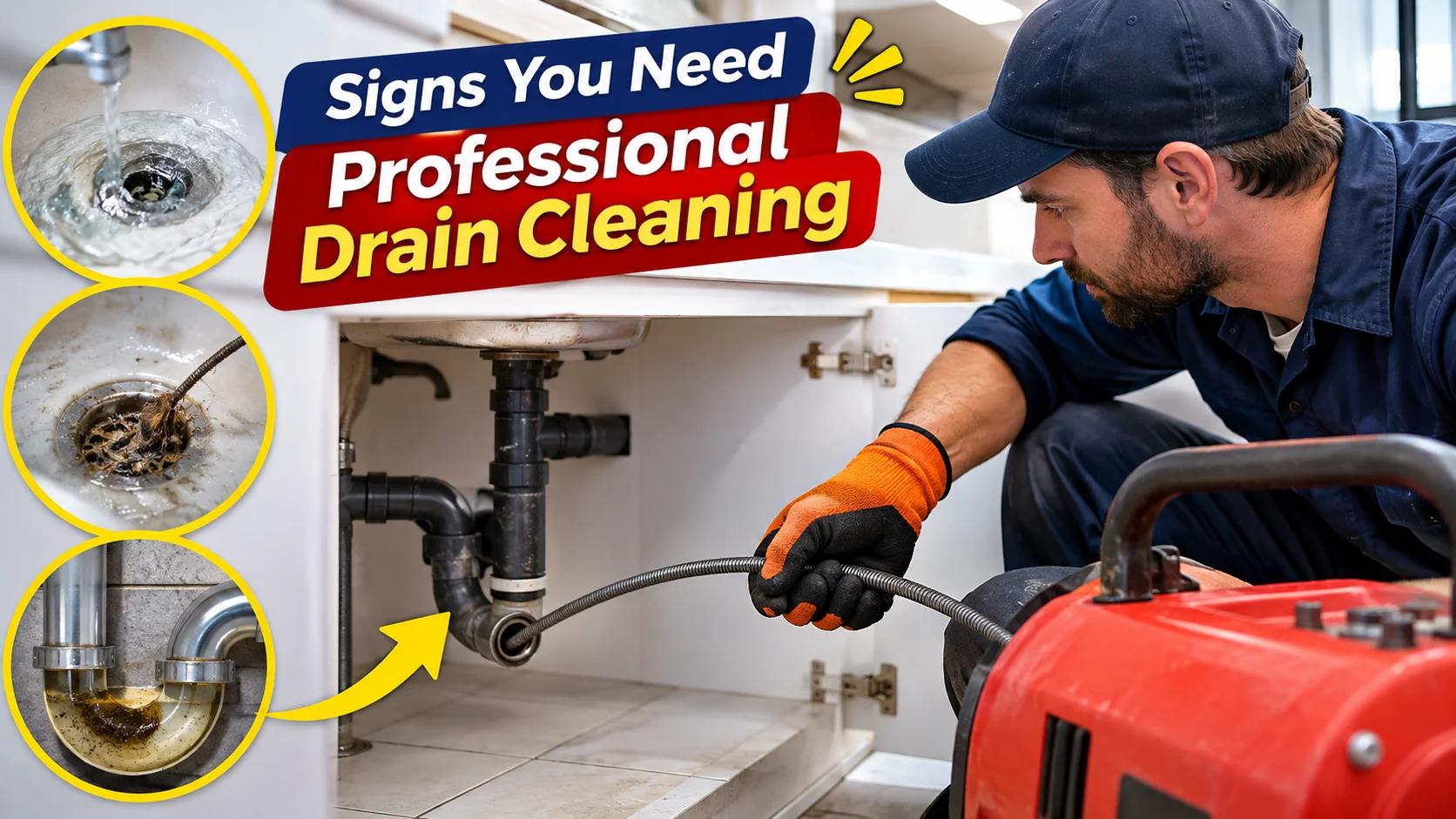
A leaking pipe is the cause that deserves the most attention, because a hidden leak not only drops water pressure but can also soak a wall cavity for weeks before anyone sees the damage. Left alone, a damaged pipe can split outright and become a burst pipe, which turns a small repair into a major one. Checking for damp spots, listening for running water when taps are off, and knowing where the main shutoff is will catch the problem early and keep a leak from becoming a flood.