A reliable water heater makes everyday life more comfortable. However, problems can develop as the appliance gets older. Knowing when to choose water heater repair or replacement can save money. It can also prevent unexpected breakdowns and water damage. Some issues, such as faulty thermostats or heating elements, are relatively simple to fix. Others may indicate serious damage inside the tank. Understanding these warning signs helps homeowners make better decisions. Whether your water heater leaks, produces cold water, or makes unusual noises, taking action early can protect your home and restore your hot water supply.
1. When Does a Water Heater Need Repair?
A water heater usually shows warning signs before completely stopping. You might notice water taking longer to heat. Sometimes, the temperature changes without any clear reason. These problems can result from damaged heating elements, faulty thermostats, or sediment buildup. In many situations, professional water heater repair can solve the problem without replacing the entire appliance. However, ignoring these symptoms may cause further damage. Homeowners should pay attention to changes in performance. Early inspection can help identify smaller problems before they become expensive repairs or lead to a complete system failure.
Another common warning sign is unusual noise coming from the tank. Popping, rumbling, or cracking sounds often indicate sediment buildup. Minerals from hard water can collect inside the tank over time. This buildup makes heating less efficient and increases pressure on certain components. A professional technician can inspect the system and recommend suitable maintenance. Sometimes, flushing the tank removes accumulated sediment. Other situations may require component replacement. Regular maintenance helps your water heater work efficiently. It also reduces the risk of unexpected breakdowns and extends the appliance’s useful lifespan.
2. Common Water Heater Problems You Should Never Ignore
Water heaters can develop several problems during regular use. One common issue is inconsistent water temperature. You might experience extremely hot water followed by unexpectedly cold water. A faulty thermostat or damaged heating element could cause this problem. Another issue is low hot water pressure, which may indicate mineral buildup or plumbing restrictions. These problems deserve attention because they affect daily activities. Professional water heater repair can identify the actual cause. Avoid changing electrical connections or internal components yourself. Proper inspection helps ensure the appliance operates safely and delivers consistent hot water.
Discolored water is another problem homeowners should take seriously. Rusty, brown, or cloudy hot water may indicate corrosion inside the tank. Sometimes, the issue comes from old plumbing pipes instead. A technician can inspect the system and identify the source. Strange smells can also indicate bacterial growth or water quality problems. However, different water conditions require different solutions. Do not assume every unusual symptom means replacement is necessary. A proper diagnosis helps determine whether cleaning, maintenance, or a new component will solve the issue. Acting early can prevent more serious damage.
3. When Is Water Heater Repair the Better Option?
Repair is often the better choice when your water heater is relatively new. Minor problems usually do not require replacing the entire appliance. For example, a faulty thermostat, heating element, pressure relief valve, or electrical connection may be repairable. These components can sometimes be replaced without major work. Professional water heater repair can restore normal operation and improve heating performance. However, the technician should inspect the complete system first. This helps identify hidden problems that could affect future performance. Choosing repairs for minor faults can also reduce unnecessary replacement expenses.
The overall condition of your appliance also matters. A well-maintained water heater with no major corrosion may remain useful for years. Even older appliances can sometimes benefit from affordable repairs. However, compare the repair estimate with the cost of replacement. Consider how frequently the appliance has needed maintenance. Repeated breakdowns may indicate that important components are wearing out. A professional inspection can help you understand the available options. The best decision should consider safety, reliability, energy use, and long-term expenses rather than the immediate repair price alone.
4. Signs That Your Water Heater Needs Replacement
Sometimes, repairing an old water heater is no longer practical. One major warning sign is a leaking storage tank. Water escaping from the tank itself usually indicates internal corrosion or structural damage. Unfortunately, this type of problem generally cannot be fixed reliably. Replacing the appliance is usually the safer option. Rust around the tank, repeated leaks, and visible corrosion also deserve attention. If you notice water collecting around the heater, arrange a professional inspection quickly. Early action can help prevent damage to nearby walls, flooring, electrical equipment, and household belongings.
Age is another important factor when deciding between water heater repair and replacement. Traditional storage tank heaters commonly last around 8 to 12 years. Tankless models can often last longer with proper maintenance. However, actual lifespan depends on water quality, usage, installation, and maintenance. An older appliance may become less efficient and require frequent repairs. If replacement parts are difficult to find, keeping the system may become expensive. Compare its condition with modern alternatives. A new unit may provide better reliability, improved energy efficiency, and greater comfort for everyday household needs.
5. Water Heater Repair vs. Replacement: Which Is More Cost-Effective?
Choosing between repair and replacement requires looking beyond the immediate price. A small repair may cost much less than purchasing a new appliance. For example, replacing a damaged thermostat can restore heating without major expenses. However, repeated repairs can quickly increase your total spending. If your water heater frequently breaks down, replacement may offer better long-term value. Consider the appliance’s age, condition, and energy consumption. A qualified technician can explain the available options and provide an accurate estimate. This information makes it easier to compare both choices before spending money.
Energy efficiency should also influence your decision. Older water heaters may consume more electricity or gas than newer models. This can increase monthly utility bills over time. Modern appliances often include improved insulation and better heating controls. However, a new unit also involves purchasing, installation, and possible plumbing adjustments. Therefore, calculate the total replacement expense before making your decision. Professional water heater repair remains sensible when the existing appliance is reliable. Replacement becomes more attractive when efficiency, frequent breakdowns, and repair costs make the old system less economical.
6. How Regular Maintenance Can Extend Water Heater Life
Regular maintenance helps prevent common water heater problems. One important task is checking the temperature setting. Many households use approximately 120°F (49°C) for everyday hot water needs. This setting can help balance comfort, energy use, and scald prevention. However, household requirements and local health recommendations may differ. Homeowners should also check the surrounding area for moisture or corrosion. Keep the space around the appliance clear for proper ventilation and safe access. Professional inspections can identify developing faults before they become expensive problems requiring major water heater repair or replacement.
Tank maintenance is equally important, especially in areas with hard water. Mineral deposits can collect inside storage tanks and reduce heating efficiency. A technician may recommend periodic flushing based on water quality and manufacturer instructions. The pressure relief valve and other safety components should also receive appropriate inspection. Never ignore unusual smells, leaks, or strange noises. These symptoms can indicate developing problems that require professional attention. Keeping maintenance records is another useful habit. It helps homeowners understand the appliance’s condition and identify repeated issues. Consistent care can improve reliability and support longer service life.
7. Why Professional Water Heater Repair Matters
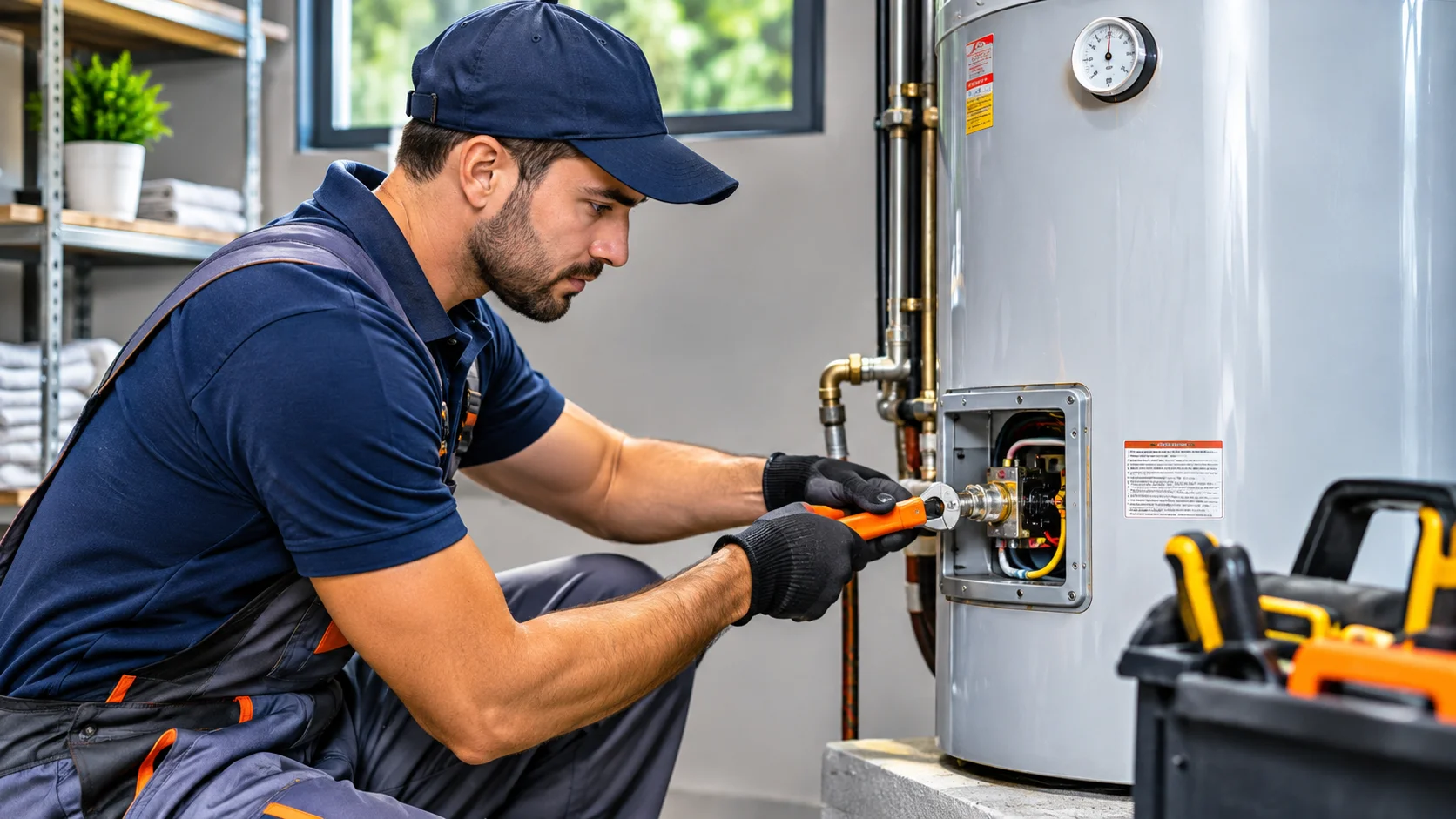
Water heaters combine plumbing, electrical connections, heating components, and sometimes gas systems. Working on these parts without proper training can create serious safety risks. Electrical faults may cause shocks or fires, while gas-related problems can create dangerous leaks. Incorrect plumbing work may also lead to flooding or pressure problems. Professional water heater repair ensures that the appliance receives proper inspection and suitable attention. A qualified technician can identify the underlying fault instead of treating only visible symptoms. This approach helps protect your household and reduces the chance of recurring problems.
A professional can also explain whether repair or replacement offers better value. They can check the tank, heating elements, thermostat, connections, and safety controls. If replacement is necessary, they can recommend a suitable model based on household demand. Proper installation matters because incorrect connections can reduce efficiency and create hazards. Before hiring someone, ask about experience, pricing, warranties, and the scope of work. For additional guidance, homeowners can explore related information about plumbing maintenance services and common plumbing problems. Choosing experienced professionals helps ensure dependable results.
8. How to Choose the Right Water Heater for Your Home
If replacement becomes necessary, choose a water heater that matches your household requirements. Start by considering how many people regularly use hot water. A larger family may need greater capacity than a smaller household. Also, think about your daily routines, available installation space, and energy supply. Storage tank models keep hot water ready for use, while tankless systems heat water when needed. Both options have advantages and limitations. A professional can assess your property and recommend a suitable system. Choosing the correct size helps avoid unnecessary energy use and insufficient hot water.
You should also compare energy efficiency, installation requirements, and maintenance needs. Electric water heaters may suit properties without a gas connection. Gas models can provide another option where suitable connections are available. Tankless units may save space, but their installation can require specific electrical or gas capacity. Always check manufacturer specifications before purchasing. Ask about warranty coverage, replacement parts, and expected maintenance expenses. For more information, homeowners can read a guide to choosing the right water heater. A suitable appliance can provide reliable performance and better value over time.
Frequently Asked Questions
1. How do I know if my water heater needs repair?
Look for inconsistent temperatures, unusual noises, slow heating, or minor leaks around connections. A professional inspection can identify the cause.
2. How long does a water heater usually last?
Traditional storage tank water heaters generally last 8 to 12 years. Tankless models may last longer with proper maintenance.
3. Is repairing an old water heater worth it?
It depends on its condition, repair costs, and age. Frequent breakdowns or tank corrosion usually make replacement a better option.
4. Why is my water heater leaking?
Leaks may come from loose connections, faulty valves, or tank corrosion. A technician should inspect the source before recommending repairs.
5. Can regular maintenance prevent water heater problems?
Yes. Regular inspections, suitable tank flushing, and checking safety components can reduce breakdowns and help extend the appliance’s lifespan.
Conclusion
Knowing when to choose water heater repair or replacement helps homeowners avoid unnecessary expenses. Minor problems, such as faulty thermostats or heating elements, may only need professional repairs. However, serious tank leaks, corrosion, and repeated breakdowns often indicate replacement is necessary. Regular maintenance also helps improve performance and reduce unexpected problems. Always consider the appliance’s age, condition, energy consumption, and repair costs before making a decision. If your water heater shows warning signs, arrange a professional inspection. An experienced technician can recommend the most suitable solution and help restore a reliable hot water supply.