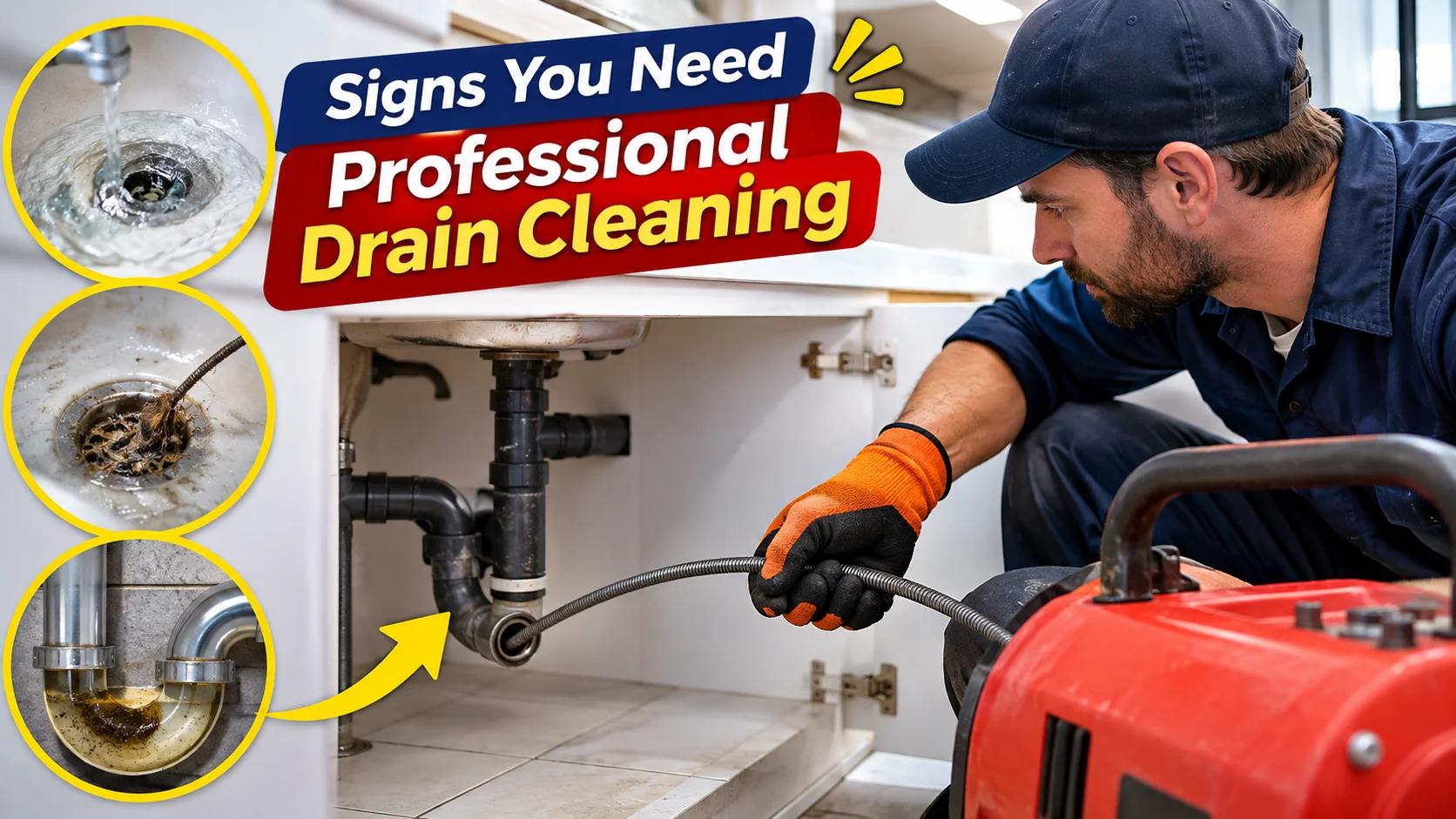
Signs You Need Professional Drain Cleaning
Drains play an important role in keeping your home clean and comfortable. However, everyday activities can cause dirt, grease, soap, and hair to collect inside pipes. Over time, this buildup can slow water flow and create unpleasant problems. Knowing when you need professional drain cleaning can help prevent serious blockages and expensive repairs. Some warning signs may seem minor at first, but they can indicate deeper plumbing issues. Recognizing these problems early makes it easier to protect your plumbing system. Whether you live in a house or manage a business, understanding these signs can save time and trouble.
1. Water Drains Slowly From Sinks and Showers
Slow drainage is one of the earliest signs of a developing blockage. You may notice water collecting around your feet while showering. Similarly, kitchen sinks may take longer to empty after washing dishes. This usually happens when hair, soap residue, food particles, or grease restrict water movement. Although the problem may appear small, it can become worse over time. Professional drain cleaning helps remove stubborn buildup from inside the pipes. A plumbing expert can also identify whether the blockage affects one fixture or several connected drains.
Many homeowners initially try to solve slow drainage with boiling water or household cleaners. These methods sometimes provide temporary relief, but they rarely remove deeper obstructions. Chemical products can also damage certain pipes when used incorrectly. If water continues draining slowly after basic cleaning, consider professional assistance. For example, a bathroom sink that repeatedly drains slowly may contain accumulated hair and soap. An experienced plumber can inspect the pipe and choose an appropriate cleaning method. Addressing the issue early helps restore normal drainage and reduces the risk of a complete blockage.
2. Unpleasant Smells Coming From Your Drains
Bad smells coming from sinks, showers, or floor drains often indicate a plumbing problem. Food waste, grease, and other organic materials can collect inside drainage pipes. As these materials break down, they produce unpleasant odors that travel back into your home. Sometimes, the smell resembles rotten eggs or spoiled food. Cleaning the visible drain opening may remove surface dirt, but deeper buildup can remain. Professional drain cleaning targets these hidden deposits and helps eliminate the source of persistent smells.
However, unpleasant drain odors do not always mean there is a blockage. A dry P-trap, damaged plumbing connection, or sewer gas problem can also cause similar smells. These issues require proper inspection rather than repeated cleaning attempts. If the odor returns shortly after cleaning, contact a qualified plumber. They can examine the drainage system and identify the actual cause. You should also avoid mixing household cleaning chemicals because dangerous fumes may develop. Finding the source early helps maintain better indoor conditions and prevents more serious plumbing concerns.
3. Frequent Drain Blockages Keep Returning
An occasional blockage can happen in any household, especially in busy kitchens and bathrooms. However, repeated clogs usually suggest an underlying problem inside the plumbing system. Grease, hair, mineral deposits, and soap residue can gradually build up along pipe walls. Removing the visible obstruction may improve drainage temporarily, but remaining material can quickly collect more waste. When the same sink or shower becomes blocked repeatedly, professional drain cleaning may provide a more complete solution.
Recurring blockages can also indicate problems deeper within the drainage system. Tree roots sometimes enter underground pipes through small cracks or damaged joints. Broken pipes, poor installation, and pipe misalignment can create similar problems. A professional plumber may use a drain camera to inspect the affected section. This helps identify the location and nature of the obstruction before selecting suitable equipment. Instead of repeatedly using temporary solutions, homeowners should investigate recurring clogs. Proper diagnosis can prevent unnecessary repairs and help keep the drainage system working reliably.
4. Strange Gurgling Sounds From Your Pipes
Gurgling sounds from drains often indicate that air is moving through the plumbing system incorrectly. You might hear bubbling noises after flushing a toilet or emptying a bathtub. These sounds can happen when water struggles to pass through a partially blocked pipe. Trapped air moves around the obstruction and creates unusual noises. Although occasional sounds may not indicate a serious issue, frequent gurgling deserves attention. Professional drain cleaning can remove accumulated debris and help restore normal water movement.
It is also important to understand that gurgling does not always come from dirt or grease. Vent pipe problems and sewer line blockages can also affect airflow. For example, a toilet may make bubbling sounds when someone uses a nearby sink. This could suggest an issue within shared drainage pipes. A plumber can inspect the system and determine whether cleaning or another repair is necessary. Ignoring unusual pipe sounds may allow a small problem to develop into a larger plumbing issue.
5. Water Backs Up Into Sinks, Tubs, or Toilets
Water backing up into plumbing fixtures is a warning sign that needs immediate attention. For example, flushing a toilet may cause dirty water to rise inside a nearby shower drain. Similarly, running a washing machine might push water into a floor drain. These situations often indicate a blockage within a shared drainage pipe or main sewer line. Professional drain cleaning can help remove obstructions and restore proper wastewater movement when the problem is caused by removable buildup.
Sewage backups require particular care because wastewater can contain harmful bacteria and other contaminants. Avoid touching the water or using affected fixtures until the problem has been assessed. If multiple drains back up together, the main sewer line may be involved. Contact a qualified plumber rather than repeatedly flushing toilets or running taps. A professional can inspect the drainage system and recommend suitable cleaning or repair work. Quick action can limit property damage, unpleasant odors, and potential health risks.
6. Multiple Drains Become Slow at the Same Time
When several drains become slow together, the problem may be bigger than an individual clogged fixture. You might notice that the kitchen sink, bathroom shower, and toilet all experience drainage problems. This can happen when waste collects inside a shared drainage line. Because several fixtures depend on the same pipe, one obstruction can affect water movement throughout different parts of your property. Professional drain cleaning helps address blockages in these connected sections.
Pay attention to whether the problems appear in nearby fixtures or across your entire home. For instance, slow drainage on the ground floor combined with toilet bubbling may indicate a main drain issue. However, the exact cause depends on your plumbing layout and pipe condition. A plumber can inspect the affected drains and locate the problem. If you notice several fixtures behaving unusually, avoid treating each one separately. A proper inspection can identify the shared issue and prevent repeated cleaning expenses.
7. Standing Water Around Outdoor Drains
Outdoor drains help move rainwater and other surface water away from your property. However, leaves, mud, dirt, and small branches can collect inside drain openings. This buildup may prevent water from flowing properly during heavy rainfall. You might notice puddles around garden drains, driveways, patios, or other outdoor areas. If standing water remains long after the rain stops, your drainage system may need attention. Professional drain cleaning can remove stubborn debris and improve water flow.
Outdoor drainage problems can sometimes involve more than surface debris. Underground pipes may contain sediment, tree roots, or damaged sections that restrict water movement. These problems can cause repeated flooding around your property. A professional plumber can inspect the outdoor drainage system and determine whether cleaning or repairs are required. Regularly removing visible leaves and dirt also helps reduce blockages. If outdoor drains repeatedly overflow, consider arranging an inspection before the next period of heavy rainfall.
8. When Should You Call a Professional Drain Cleaner?
Knowing when to contact a plumber can help prevent unnecessary damage. Minor surface blockages may respond to simple cleaning, but persistent or recurring problems need proper attention. If water drains slowly, unpleasant smells continue, or several fixtures experience problems, professional help is worth considering. A trained plumber has the equipment and experience to inspect pipes and remove difficult obstructions. Professional drain cleaning is especially useful when household methods fail to restore normal drainage.
You should also seek immediate assistance when sewage backs up or wastewater enters your home. These problems can create unsanitary conditions and damage floors, walls, and belongings. Avoid using chemical drain cleaners repeatedly or forcing objects deep into pipes. Instead, explain the symptoms to your plumber and mention when they started. If possible, identify which fixtures are affected. Clear information helps the professional understand the situation and choose an appropriate solution. Early attention can often prevent a more complicated plumbing repair.
9. How Regular Drain Maintenance Prevents Blockages
Regular drain maintenance helps reduce the amount of waste entering your plumbing system. In the kitchen, avoid pouring cooking oil, grease, and food scraps into the sink. In bathrooms, use drain covers to catch hair before it enters the pipes. You should also remove visible debris from outdoor drain openings. These simple habits can reduce buildup and support better drainage. However, even well-maintained pipes can develop blockages over time, particularly in older plumbing systems.
Professional inspections can help identify developing problems before they cause major disruption. Depending on the condition of your pipes, a plumber may recommend periodic cleaning or specific maintenance work. There is no single cleaning schedule that suits every property because usage, pipe materials, and drainage conditions vary. For additional guidance, explore our related articles on common plumbing problems, kitchen plumbing maintenance, and bathroom drainage solutions. Combining everyday care with suitable professional maintenance helps protect your plumbing system and keeps household drains functioning properly.
Frequently Asked Questions
1. How Do I Know If My Drain Needs Professional Cleaning?
Slow drainage, recurring clogs, unpleasant smells, gurgling sounds, and water backups are common warning signs.
2. How Often Should Drains Be Professionally Cleaned?
It depends on pipe condition, household usage, and previous blockages. A plumber can recommend a suitable schedule.
3. Can I Clean a Blocked Drain Myself?
You can remove minor surface debris, but deep or recurring blockages usually require professional equipment.
4. What Causes Drains to Become Blocked?
Common causes include hair, grease, soap residue, food waste, mineral deposits, and tree roots.
5. Is Professional Drain Cleaning Worth It?
Yes. It can remove stubborn blockages, improve drainage, and help prevent avoidable plumbing damage.
Conclusion
Recognizing drainage problems early can help protect your home and plumbing system. Slow water flow, unpleasant smells, recurring blockages, and unusual pipe sounds should never be ignored. These warning signs may indicate buildup or deeper problems inside your pipes. Professional drain cleaning offers an effective way to address stubborn obstructions and restore proper drainage. However, the right solution depends on the actual cause of the problem. Regular maintenance and responsible waste disposal can also reduce future blockages. If your drains show persistent warning signs, contact a qualified plumber for an inspection. Taking action early can save time, prevent damage, and keep your plumbing working smoothly.