A water pipe leak can cause serious problems in your home or business. Even a small leak may waste water and increase monthly bills. If ignored, it can damage walls, floors, ceilings, and nearby furniture. However, finding the problem early can help prevent expensive repairs. Understanding the warning signs makes it easier to act quickly. Some leaks are easy to spot, while others remain hidden behind walls or underground. Knowing what causes a water pipe leak also helps you choose the right solution. This guide explains common causes, early warning signs, repair methods, and when to contact a professional plumber.
What Is a Water Pipe Leak?
A water pipe leak occurs when water escapes from a damaged pipe, loose connection, or faulty fitting. Pipes carry clean water throughout homes and commercial buildings. When a pipe develops a crack or hole, water can escape into surrounding areas. Sometimes, the leak appears as a visible drip beneath a sink. In other cases, water collects behind walls, beneath floors, or inside ceilings. These hidden problems can remain unnoticed for weeks. Therefore, understanding how plumbing systems work helps you recognize potential issues. Regular inspections can also identify weak connections before they cause significant damage.
Not every water pipe leak produces a steady stream of water. Some leaks release only a few drops at a time. Others occur when water pressure increases or the plumbing system operates. For example, a loose joint may leak whenever someone uses a nearby tap. A damaged underground pipe may create wet patches across a garden or driveway. The location and severity of the leak determine the repair method. A professional plumber can inspect the affected area and identify its source. Early action helps limit water waste, protect building materials, and reduce the risk of further plumbing damage.
Common Causes of a Water Pipe Leak
Several factors can cause a water pipe leak in residential and commercial properties. Age is one common reason because pipes can weaken after years of regular use. Corrosion may damage metal pipes, while excessive pressure can strain joints and fittings. Poor installation can also create weak connections that eventually begin leaking. In addition, accidental damage during drilling, renovation, or construction may puncture hidden pipes. Temperature changes can affect certain plumbing materials and connections. Understanding these causes helps property owners take preventive action. However, the exact cause often depends on the pipe material, installation quality, water conditions, and building age.
Blocked pipes can sometimes contribute to leaks by increasing pressure or stressing vulnerable sections. Tree roots may also damage underground plumbing, especially when they grow around joints or enter existing cracks. Worn washers, damaged seals, and loose fittings are other possible causes. For example, a kitchen sink connection may begin dripping after years of use. Meanwhile, an outdoor pipe may develop a crack following accidental impact. These problems require different repair approaches. Avoid assuming that every leak needs the same solution. A qualified plumber can inspect the system, determine the underlying cause, and recommend a suitable repair that addresses the actual problem.
Warning Signs of a Leaking Water Pipe
Recognizing the early warning signs of a water pipe leak can save time and money. One common sign is an unexplained increase in your water bill. If household water use remains unchanged but the bill rises, investigate further. Damp walls, peeling paint, and bubbling wallpaper may also indicate hidden moisture. You might notice water stains on ceilings or unusual puddles near plumbing fixtures. Another warning sign is the sound of running water when taps and appliances are switched off. Although these symptoms can have other causes, they deserve attention. A timely plumbing inspection can help identify the source.
Unpleasant smells may develop when leaked water remains trapped in enclosed spaces. You might also notice mould growth, swollen wooden floors, or loose tiles. Outside, unexplained wet patches can suggest an underground pipe problem. However, rainwater, drainage issues, and irrigation systems can produce similar signs. To investigate, turn off water-using appliances and check visible taps and connections. If safe and practical, monitor your water meter while no water is being used. Continued movement may indicate water flow somewhere in the system. If the cause remains unclear, contact a plumber for accurate leak detection and further investigation.
How to Find a Hidden Water Pipe Leak
Finding a hidden water pipe leak can be difficult because the damaged section may sit behind a wall or beneath a floor. Start by checking accessible plumbing connections, including those under sinks, around toilets, and near washing machines. Look for moisture, corrosion, dripping water, or damaged seals. Next, listen for unusual running or hissing sounds when the property is quiet. Check ceilings and walls for fresh stains or discolouration. These basic observations can help narrow down the possible location. However, avoid removing tiles, drilling walls, or cutting pipes before confirming where the problem is located.
Professional plumbers use different methods to locate hidden leaks without unnecessary damage. Depending on the situation, they may use moisture meters, acoustic equipment, thermal imaging, or pressure testing. Each method has limitations, so the best approach depends on the building and plumbing system. For example, acoustic equipment can help detect water escaping from concealed pipes, while moisture meters identify damp materials. Thermal imaging may reveal temperature patterns associated with hidden moisture. Accurate detection helps reduce unnecessary repair work. If you suspect a concealed leak, professional water leak detection can help identify the source before the damage spreads further.
How to Fix a Water Pipe Leak
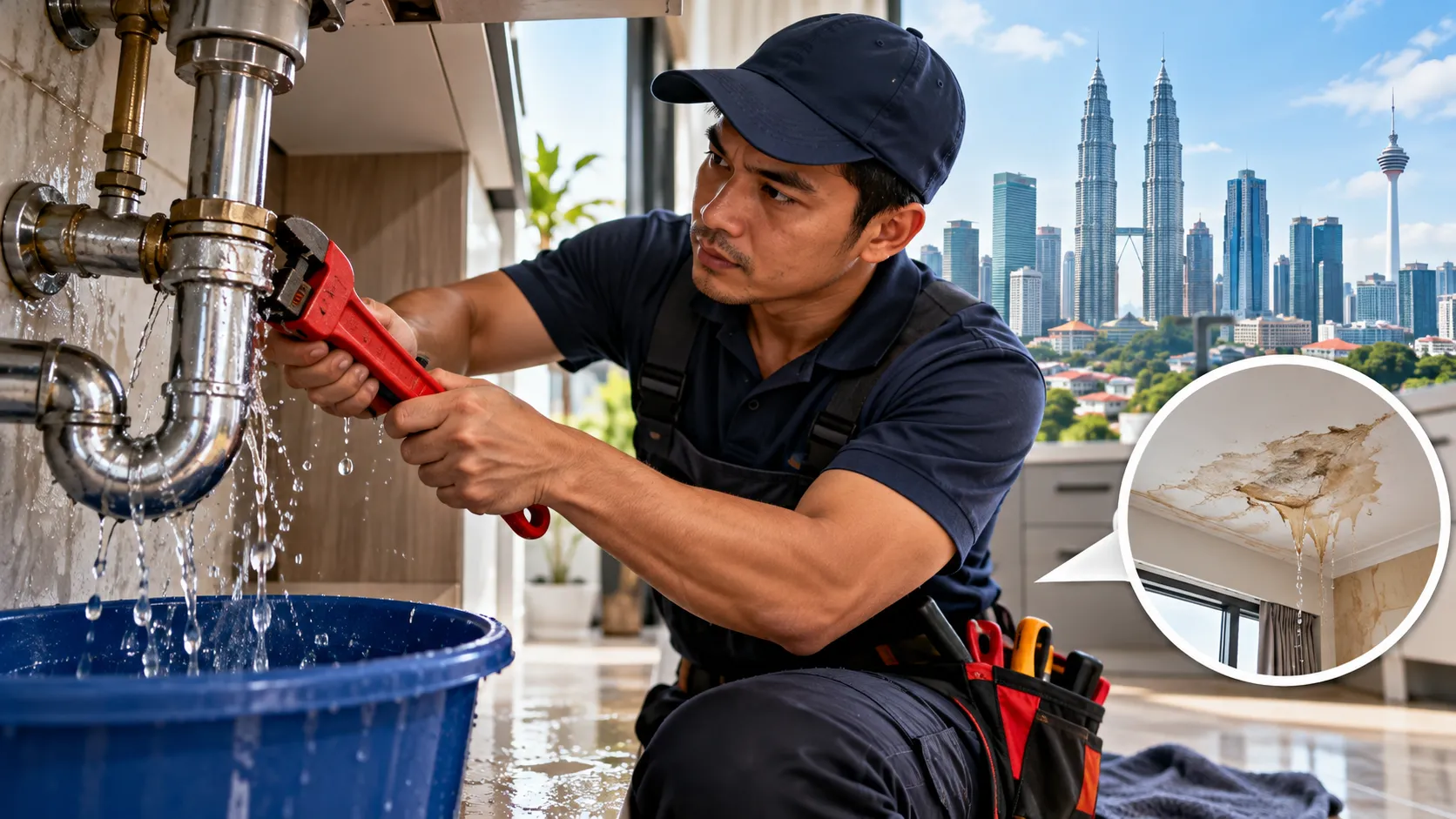
The correct repair depends on the leak’s location, severity, and cause. If a visible connection is loose, a plumber may be able to tighten or replace the fitting. Damaged washers and seals can often be replaced without changing the entire pipe. However, cracked, corroded, or badly damaged pipe sections may require replacement. Before any repair, isolate the affected water supply if possible. For a serious leak, use the main shutoff valve to stop the flow. Keep electrical equipment away from standing water. If water reaches electrical outlets or wiring, avoid the area and contact qualified professionals.
Temporary repair products may help control minor leaks while you arrange permanent repairs. However, tape, sealants, and repair clamps are not suitable for every pipe or situation. Their effectiveness depends on the material, water pressure, leak size, and product instructions. Never treat a temporary patch as a guaranteed long-term solution. If a pipe is badly damaged or the leak continues, seek professional assistance. Plumbing work may also require specific materials or compliance with local regulations. A qualified plumber can assess the damage, explain the available options, and complete the repair safely. Afterward, check for further leakage and confirm normal water flow.
Preventing Water Pipe Leaks in Your Property
Preventive maintenance can reduce the risk of a water pipe leak and help protect your property. Inspect visible pipes, valves, and connections periodically for corrosion, moisture, or loose fittings. Check areas beneath sinks and around washing machines because small drips can go unnoticed. Repair minor plumbing problems before they become more serious. Avoid hanging heavy objects from exposed pipes or placing excessive pressure on plumbing connections. During renovations, identify existing pipes before drilling or cutting walls. If your property has older plumbing, consider arranging a professional inspection. Regular checks can reveal developing problems and help you plan necessary maintenance.
Water pressure is another important factor in plumbing maintenance. Excessively high pressure can place additional strain on pipes, valves, and fittings. A plumber can measure your water pressure and recommend suitable adjustments when needed. If temperatures become cold enough to risk freezing, protect vulnerable pipes with appropriate insulation. Keep the area around plumbing access points clear so problems are easier to inspect. Also, pay attention to unexplained changes in water flow or recurring dampness. For more advice, consider reading a related guide on home plumbing maintenance. Consistent care helps extend plumbing life and may reduce unexpected repair costs over time.
When Should You Call a Professional Plumber?
Some plumbing problems require immediate professional attention. Call a plumber if water is flowing rapidly from a pipe, a ceiling is becoming saturated, or a leak cannot be controlled. You should also seek help when water appears inside walls, beneath flooring, or near electrical systems. Persistent dampness and repeated leaks may indicate a deeper problem that requires proper investigation. If you cannot locate the main shutoff valve, ask a professional for assistance. Acting quickly can limit property damage and reduce wasted water. For urgent situations, an emergency plumber can assess the problem and recommend appropriate repairs.
Professional help is also useful when a leak returns after a previous repair. Repeated problems may indicate corrosion, excessive water pressure, damaged joints, or incorrect installation. Underground leaks often need specialist equipment because their exact location is difficult to determine. Before choosing a plumbing service, ask about the inspection process, repair options, and expected costs. Confirm whether replacement parts and follow-up checks are included in the quotation. A reliable plumber should explain the problem clearly and recommend a practical solution. For related advice, explore a guide to emergency plumbing services to understand which situations need urgent support and how to prepare.
Water Pipe Leak Repair Costs and Considerations
The cost of repairing a water pipe leak depends on several factors. These include the leak’s location, pipe material, accessibility, and severity. A small leak beneath a sink may require only a replacement washer or fitting. However, a concealed pipe leak could involve detection equipment, wall access, pipe replacement, and restoration work. Emergency appointments may also cost more than scheduled repairs. Because every property is different, it is difficult to provide one accurate price for all situations. Request a detailed quotation before work begins. This helps you understand the proposed repair and avoid unexpected expenses during the process.
When comparing plumbing quotations, look beyond the total price. Ask whether the estimate covers leak detection, labour, replacement materials, and any necessary access work. You should also confirm whether damaged walls, flooring, or ceilings require separate restoration services. Choosing the cheapest option may not provide the best long-term value if the underlying problem remains unresolved. Instead, consider the plumber’s experience, communication, and proposed repair method. Keep records of completed work, particularly if your property has recurring plumbing problems. These details can help future inspections. Prompt repairs generally reduce the time water has to damage building materials and nearby belongings.
Frequently Asked Questions
1. What causes a water pipe leak?
Common causes include corrosion, damaged pipes, loose fittings, excessive water pressure, and poor installation.
2. How can I tell if a water pipe is leaking?
Look for damp walls, unexplained puddles, water stains, rising bills, or unusual sounds.
3. Can I fix a leaking water pipe myself?
Minor accessible issues may be manageable, but damaged pipes and hidden leaks usually need professional repairs.
4. Should I turn off the water during a leak?
Yes, if safe, shut off the affected supply or main valve to limit water damage.
5. When should I call an emergency plumber?
Call immediately for major leaks, uncontrolled flooding, or water near electrical systems.
Conclusion
A water pipe leak may begin as a small problem, but ignoring it can lead to expensive damage. Recognizing warning signs, checking visible connections, and maintaining your plumbing system can help prevent bigger issues. When a leak occurs, shut off the water if possible and protect the surrounding area. Avoid relying on temporary fixes when pipes are badly damaged or the source remains unknown. Professional inspection can identify hidden problems and provide a suitable repair. If you notice unexplained dampness, rising water bills, or persistent dripping, contact a qualified plumber to assess your property and discuss the next steps.